Protect Migrating Birds: Effective Geese Management in Ohio
Each spring and fall, millions of migrating birds make their long journey across North America. Many of these flights take place overnight, and unfortunately, bright city lights can disorient the birds. For instance, a study by the Fatal Light Awareness Program found that urban light pollution is responsible for the deaths of thousands of migratory birds each year. Drawn off course, they often collide with windows and glass buildings, resulting in countless injuries and deaths every year. To put it into perspective, the American Bird Conservancy estimates that between 365 million to 1 billion birds die annually from window collisions in the United States alone.
Urban areas are especially problematic, as the glow of city lights makes it difficult for birds to see the difference between open skies and reflective glass. To help, many cities and property owners are joining “Lights Out” programs — turning off or dimming unnecessary lighting during peak migration seasons. This simple step reduces confusion and saves the lives of countless birds while supporting their natural journey. For example, cities like Toronto and Chicago have reported significant decreases in bird fatalities after implementing these programs. Educating the public about these initiatives can foster community involvement and greater awareness of the challenges faced by migratory birds.
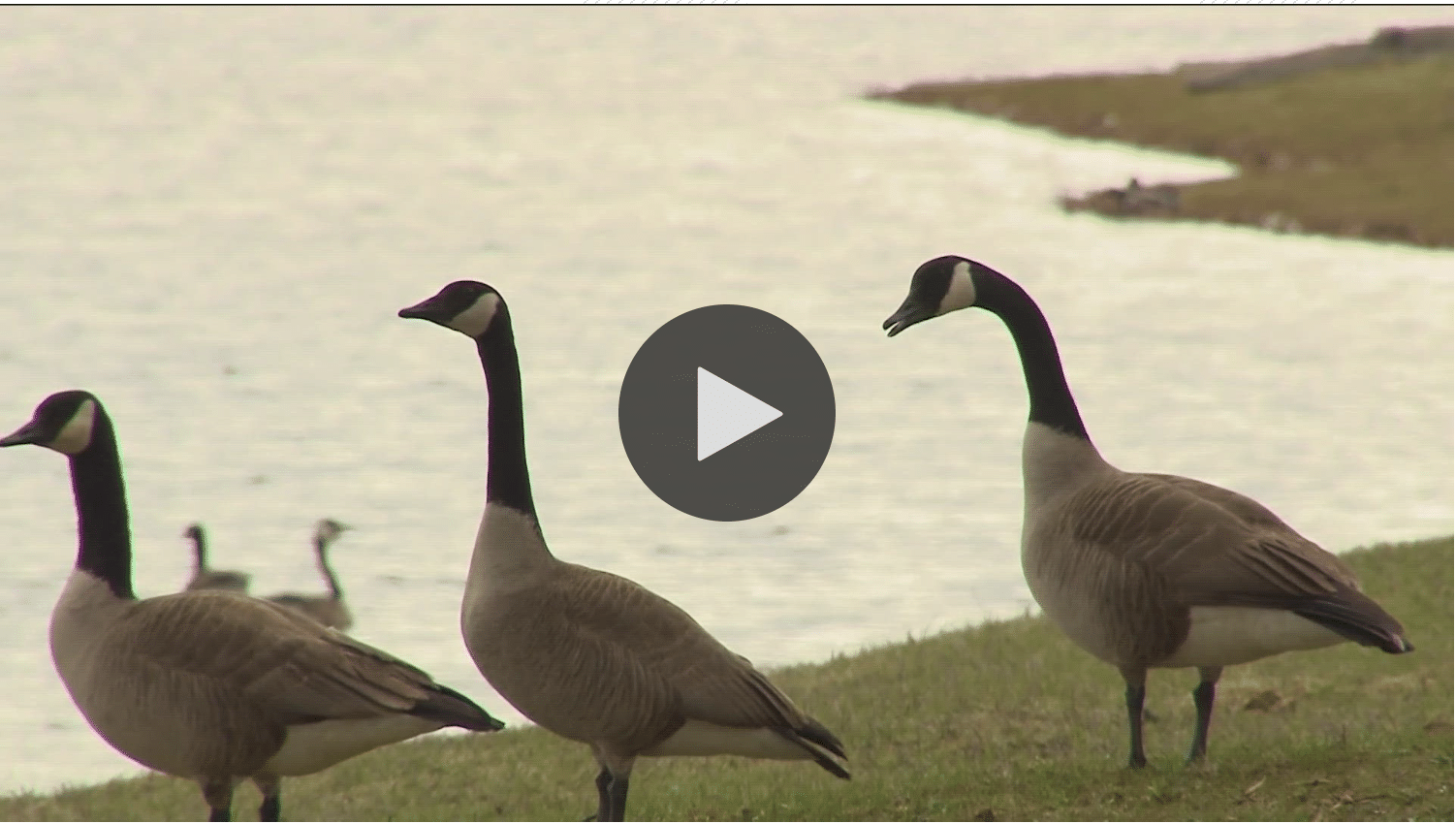
At the same time, it’s important to remember that larger birds, such as Canada geese, are also on the move during migration. While they may not collide with buildings in the same way smaller birds do, their growing flocks create different challenges for property owners. For instance, Canada geese can cause significant damage to lawns, parks, and golf courses due to their feeding habits. Their droppings can contaminate water sources, posing health risks to humans and other wildlife. Thus, understanding their behavior and migration patterns is crucial for effective management.
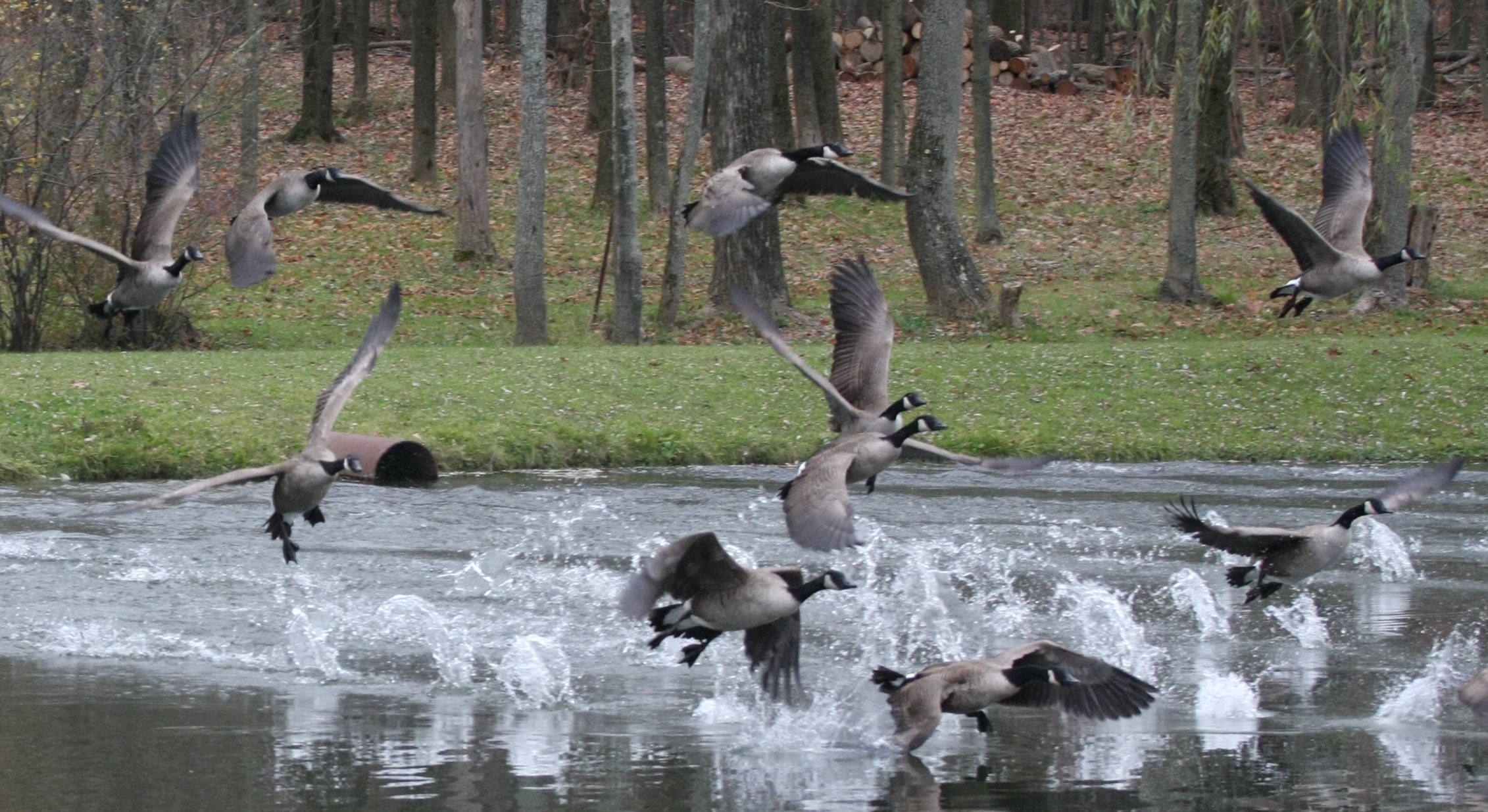
Peak fall migration for Canada geese occurs in September and October, when Canada Geese relocate to a broad range of habitats from low Arctic tundra to prairies, lakes, meadows, golf courses, and city parks. When the birds do migrate, they form impressive and aerodynamic “V-formations.” They can cover 1,500 miles in just 24 hours with a favorable wind, but typically travel at a much more leisurely rate. These noisy groups honk their way along established paths that include designated “rest stops.” These “rest stops” along the way mean hundreds of geese could land on your property at any given day. More geese mean more droppings, damaged landscapes, and potential safety issues near roads, businesses, and parks. Their presence can also lead to increased traffic accidents as drivers may be startled by these large birds. That’s why professional geese control is so important during these seasonal changes.
- The average speed is 40 mph, which can increase up to 70 mph with a good tailwind.
- Migrations can last 2,000 to 3,000 miles.
- They can fly up to 1,500 miles a day.
- They fly at altitudes of 2,000 to 8,000 feet
- They are looking for places with open water where they can swim away from predators and dive for food.
- They will return to the places they were born in the spring.
- Migratory geese do not become resident geese, unless they are injured.
- Resident geese do not know how to migrate.
If you’re dealing with geese gathering on your property, the safest solution is humane geese removal. Trained specialists can guide geese away without harm, helping you get rid of geese while ensuring the birds continue their migration safely. By combining proactive steps—like supporting Lights Out programs and using professional geese management—you’re not only protecting wildlife but also keeping your property safe, clean, and welcoming. It’s important to remember that while managing geese is essential, we should aim to do so in ways that respect their natural behavior and migration patterns.
Together, small changes make a big difference for both the birds flying overhead and the communities they pass through. By implementing community-wide initiatives to protect migrating birds and manage local geese populations, we can create a more harmonious environment for both people and wildlife. Keeping our urban areas safe for migratory birds and reducing human-wildlife conflict is a shared responsibility, one that requires awareness, action, and collaboration among community members.
Ohio Geese Control Services
Understanding Geese Behavior: Canada geese are known for their strong familial bonds, often migrating in family units. They recognize their young and guide them during their first migrations. By understanding their behavior, property owners can better anticipate when geese might arrive or leave and take proactive measures. For example, geese are often more likely to frequent areas with open water and abundant food sources. Therefore, managing these resources can help deter geese from congregating on your property.
Through ongoing education and community engagement, we can foster a deeper appreciation for the beauty and importance of wildlife in urban settings, enhancing our environment for all living things. Remember, every small action counts in the grand scheme of conservation, especially for our migrating birds.
Conclusion: Protecting migrating birds and effectively managing geese populations is a multifaceted issue that requires collaboration, education, and humane solutions. As stewards of the environment, we have the power to make impactful changes that benefit both our communities and the wildlife that shares our spaces. By taking small steps and advocating for responsible practices, we can contribute to the survival and well-being of our migratory birds, ensuring they continue their journeys for generations to come. In conclusion, while the challenges posed by urban development and human activities are significant, our collective efforts can lead to a brighter future for these vital species.
The Importance of Awareness: Raising awareness about the challenges faced by migrating birds is crucial. Hosting educational workshops, community events, or outreach programs can help inform the public about the significance of preserving natural habitats and the role of birds in our ecosystem. Engaging schools and local organizations can foster a sense of responsibility towards wildlife conservation and encourage active participation in protecting our migratory birds.
 Humane Management Strategies: There are several humane strategies for managing geese on your property. These can include installing visual deterrents like reflective tape, using sound deterrents, or even employing trained dogs to help scare them away. Additionally, creating barriers, such as fencing or planting native vegetation that geese prefer less, can help keep them at bay. Consistent management practices can significantly reduce the likelihood of geese returning, ensuring clean and safe areas for the community and wildlife alike.
Ohio Geese Control works 7-days a week, it is an on-going service to make sure the geese know they are not welcome. We can dramatically lower the goose population quickly. It is humane. It is safe. And it is effective. Call us at 877-914-3373 for a quote
An Interview with Ohio Geese Control
Ohio Geese Control is excited to spread the word on how to manage geese and keep the public safe during nesting season. Thank you to Megan Hartnett, of WTOL […]
Read More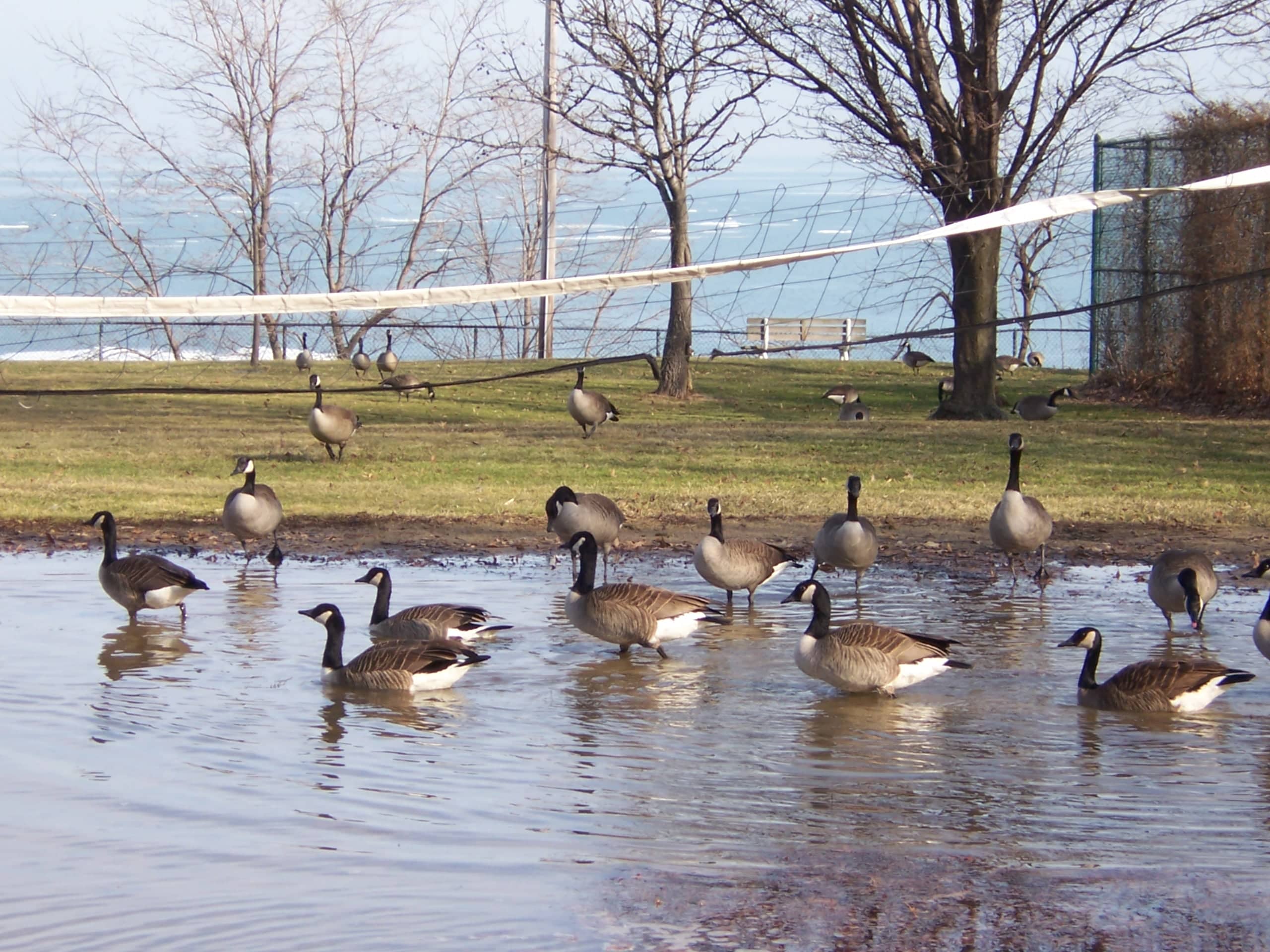
Wings in Transition: Why Geese Are on the Move (and What You Can Do About It)
As summer reaches its peak, many of us are enjoying warm days, blooming landscapes, and time outdoors. But while we go about our routines, something fascinating—and potentially disruptive—is happening […]
Read More
How to Humanely Get Rid of Geese: Proven Techniques from Skilled Handlers
When Canada geese overstay their welcome in parks, business grounds, golf courses or residential areas, the results can be more than just a nuisance. There can be health hazards, […]
Read More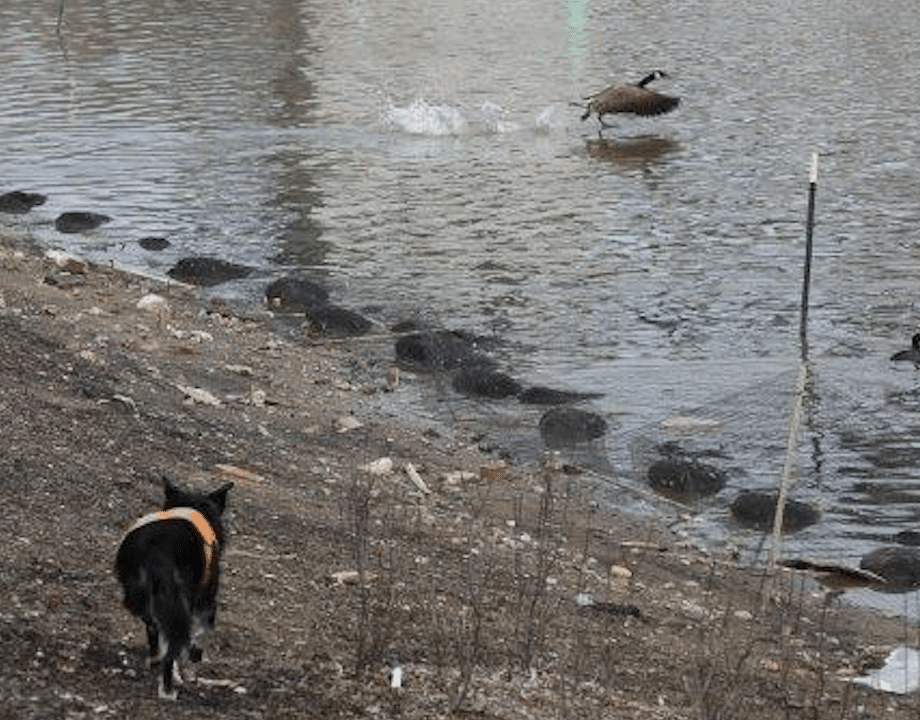
Does a warm winter keep geese here longer?
Geese will go (or stay) wherever there is access to food and water. In winter weather they can forage through the snow to access the grass for food. But […]
Read More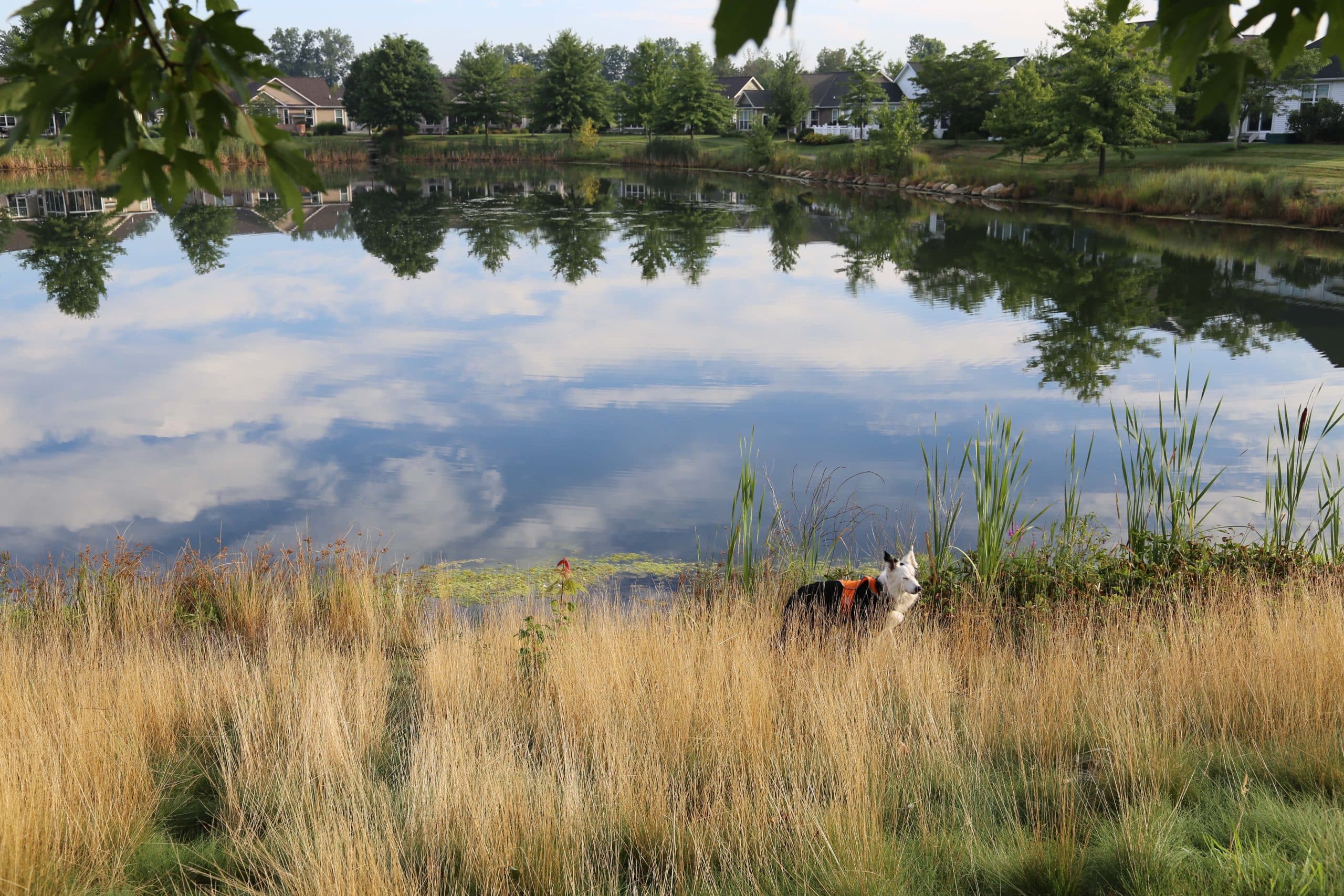
How a Mild Winter Affects Canada Geese
Are geese hanging out at your site longer than normal? Our weather patterns appear to be changing, and geese habits are changing along with it. For instance, we typically […]
Read More
Diseases that Canada Geese Carry
The flu hit our family hard this season, and it sparked a conversation in our household about what diseases Canada geese carry and if it is a health risk […]
Read More
FOX 8 Features Ohio Geese Control
We were featured on FOX 8 this week, and we are excited to share why this project matters. Ohio Geese Control has been hired by the Village of Chagrin […]
Read More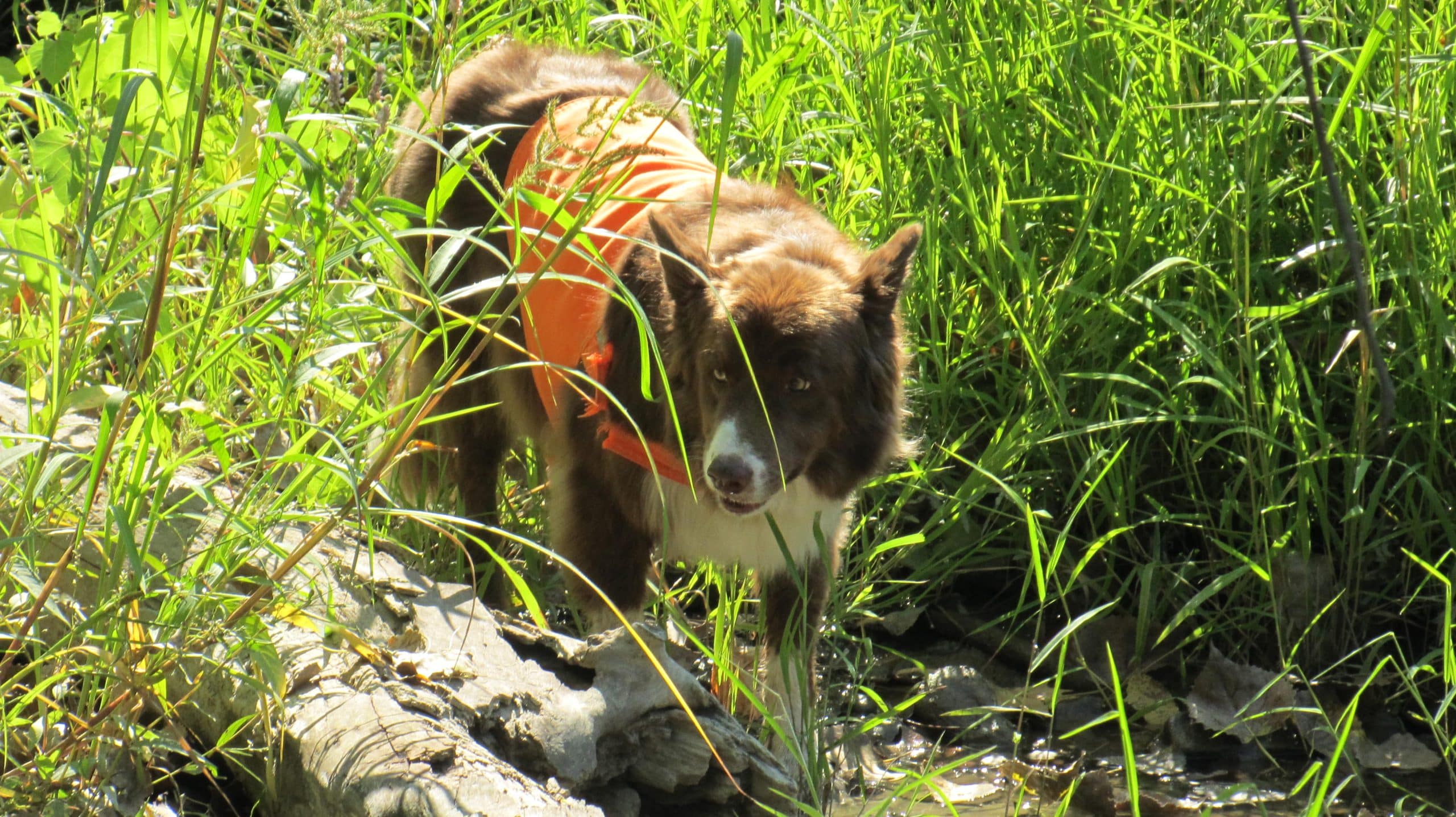
The Best Coyote Decoy… a Border Collie
We constantly get asked about those fake coyotes, and if the decoy actually works to get rid of geese. And our answer is yes and no. The purpose of the […]
Read More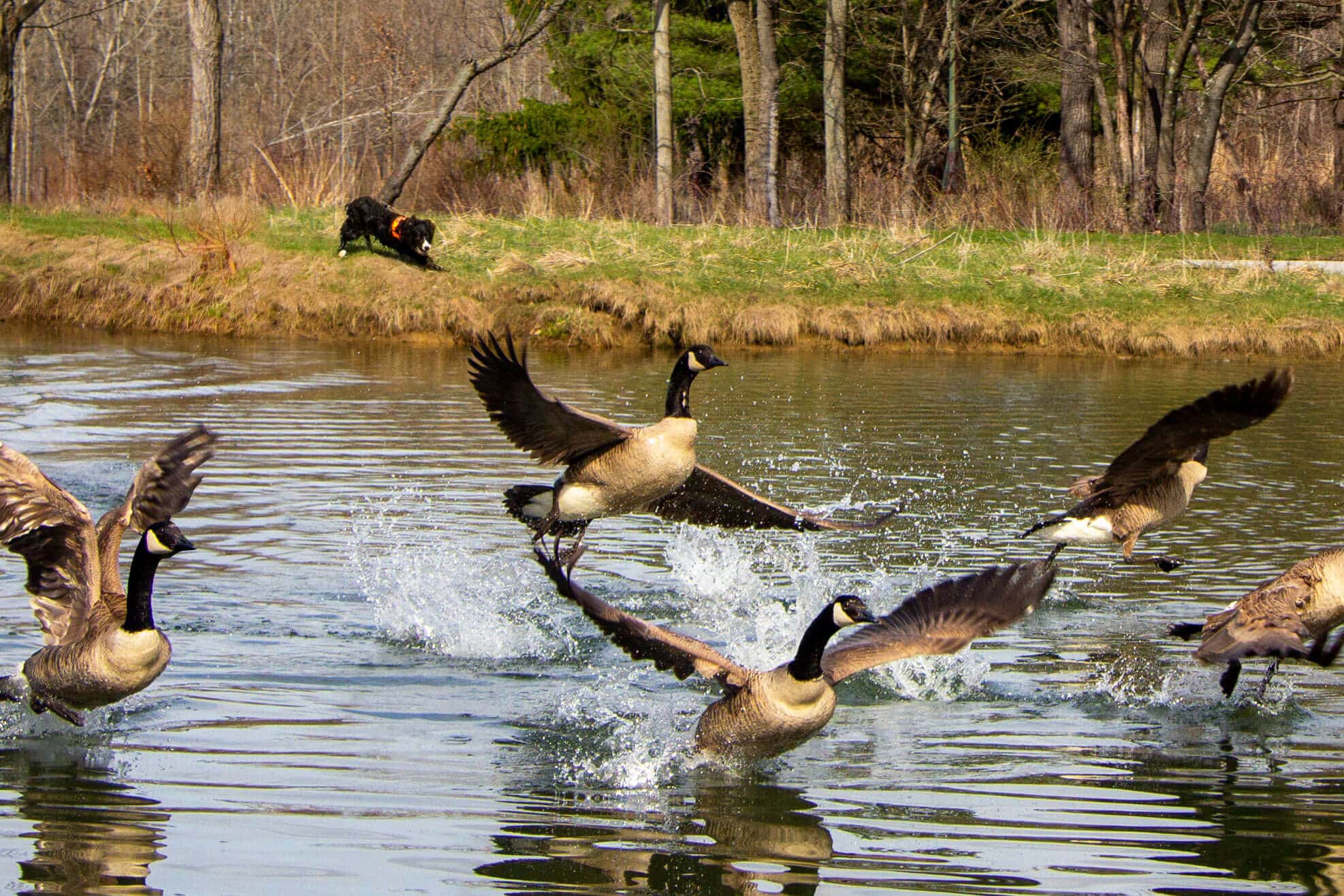
Canada Geese Managment Plan
It’s the end of summer, so geese should be migrating, right? But geese have become a year-round problem, with many Canada geese staying through the winter months. On top […]
Read More
The Greatest Act of Kindness and the Simplest Goose Deterrent
Feeding geese will only attract more geese, and more droppings. But it is hard to argue when people enjoy feeding birds, especially the Canada goose. Many organizations like the Humane […]
Read More
Deterring Geese from Taking Over Your Property
Ohio Geese Control was interviewed by Joe at WKYC’s Good Company, and what a great time Jeff and Joe had talking about geese and the humane and effective tactics […]
Read More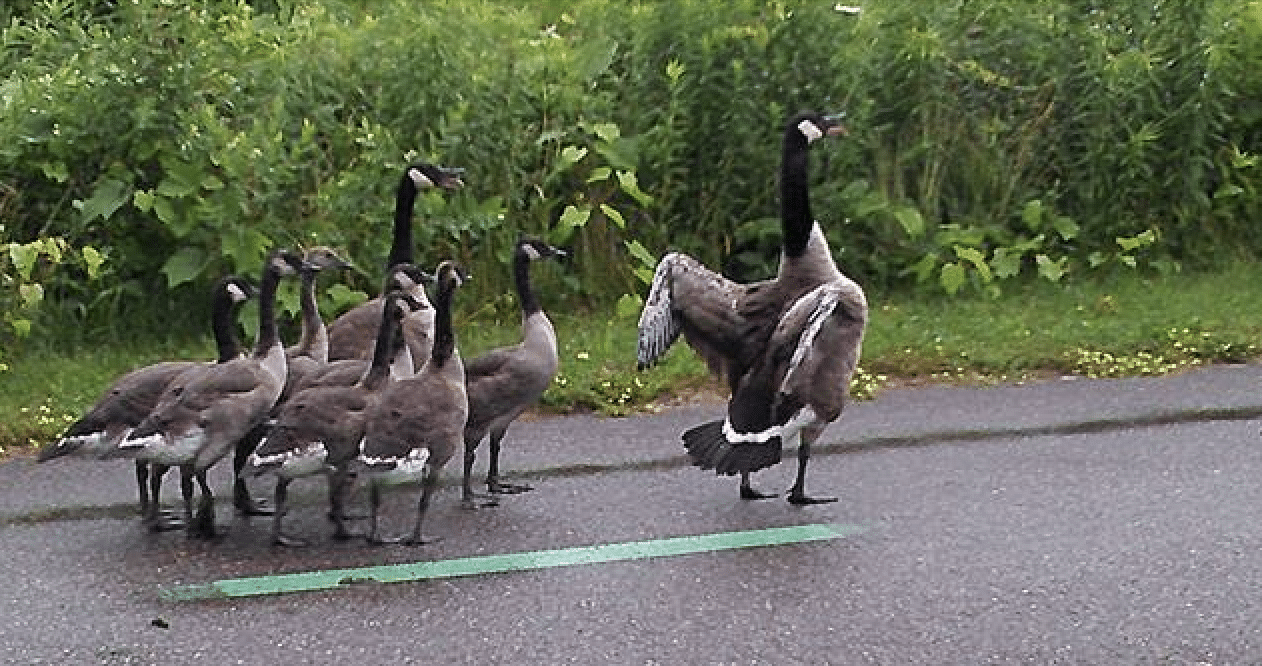
The Feathers of Flightless Geese
Are you seeing stray geese feathers everywhere? Canada geese lose their flight feathers at the same time to rejuvenate them and get ready for fall migration. Unlike song birds […]
Read More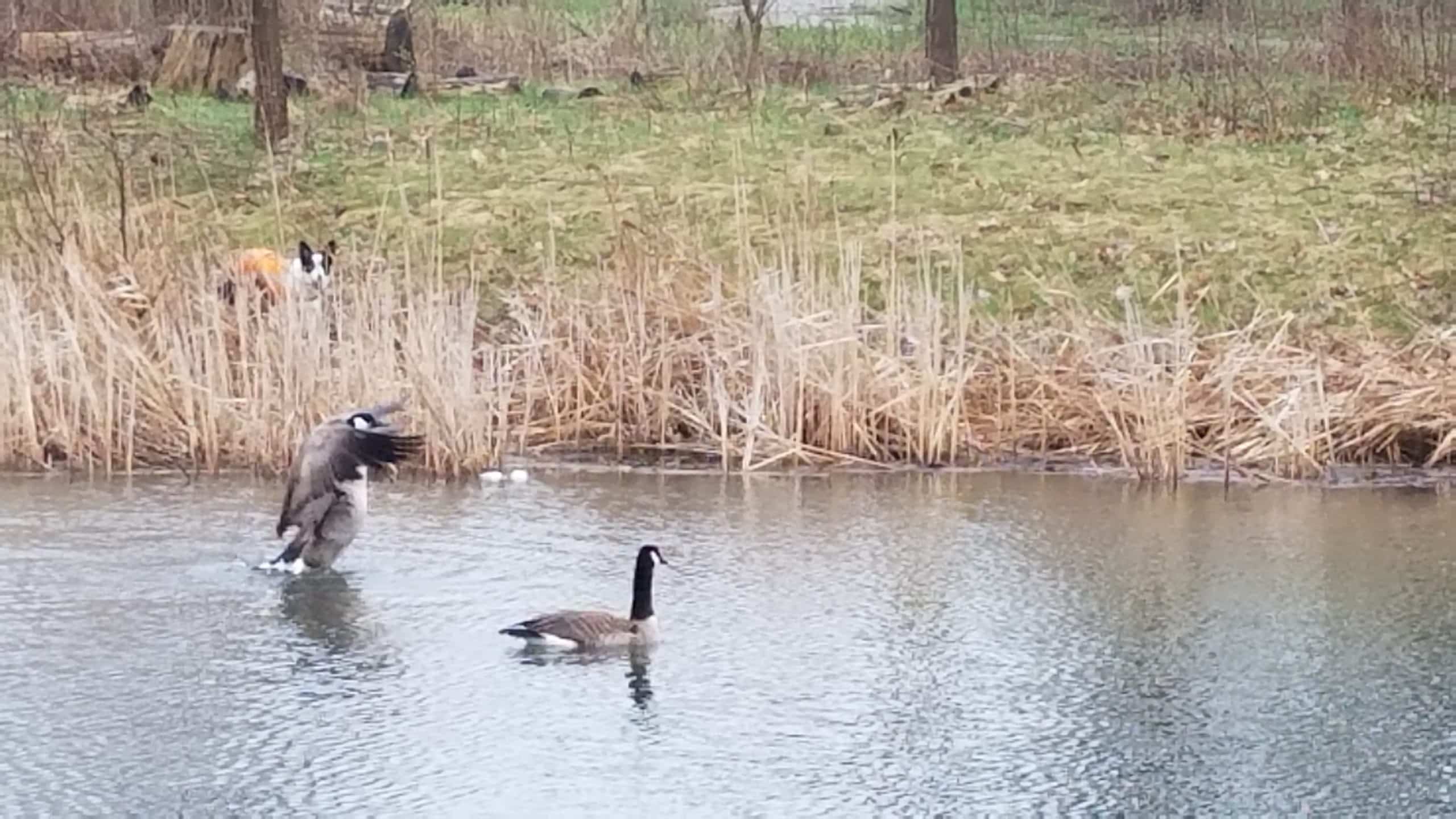
Canada geese issues in the Fall
Once Canada geese migration starts, you can see up to 200 geese on your property at any given time. It is important to harass them right away so that […]
Read More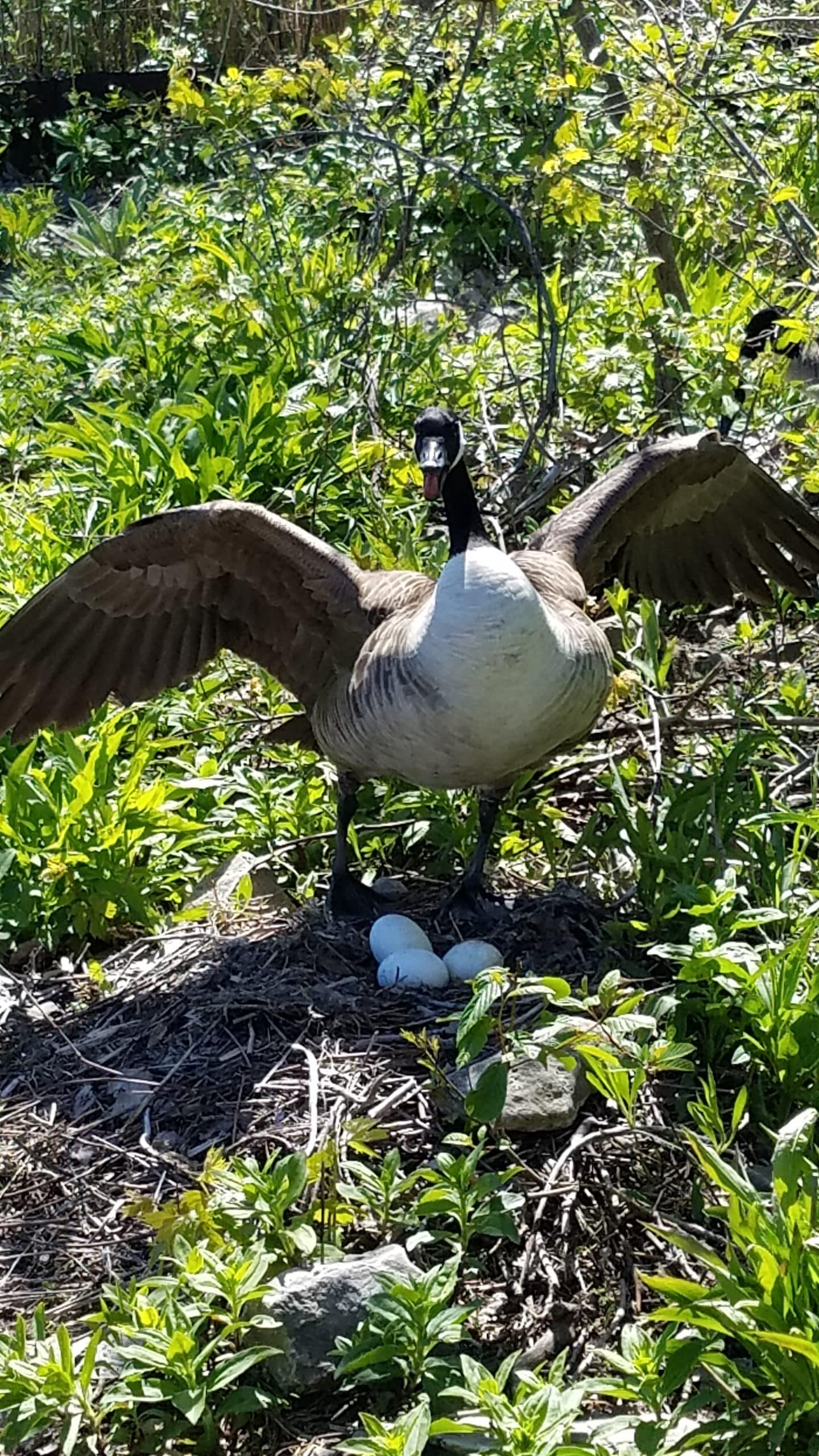
Beware, it’s Mating Season for Geese
It’s time to start being aware of your surroundings and not to walk absent-mindedly too close to Canada geese this spring. February is when geese will start pairing up […]
Read More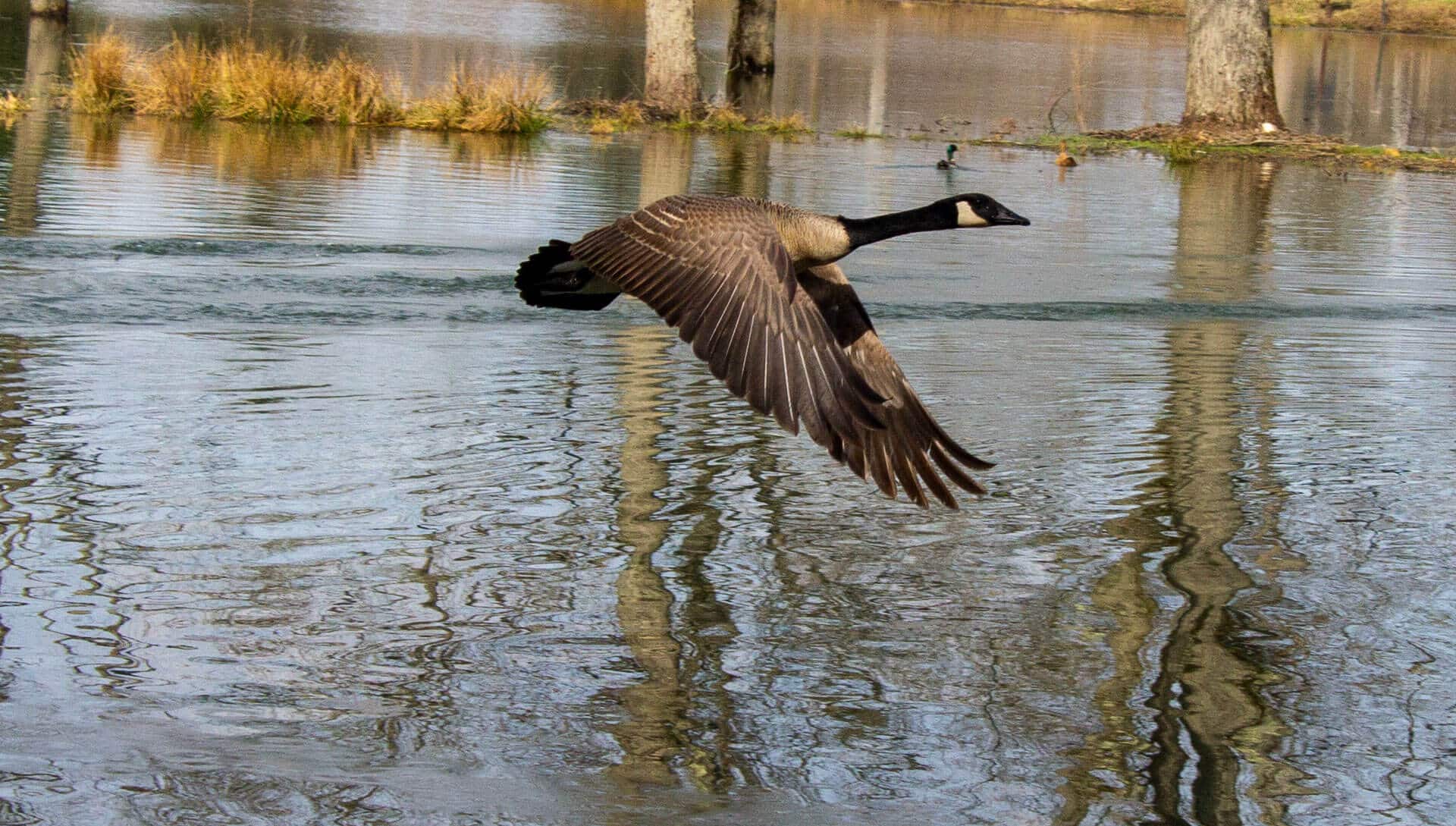
Damage caused by Canada geese at airports
Experts put the total losses for wildlife strikes at $625 million per year in direct damage and associated costs, and over 600,000 hours of aircraft downtime. In an industry […]
Read More